OUR SERVICES
Orthodontic Braces
A more aligned smile begins with the right treatment plan.
If your teeth are crowded, crooked, gapped or misaligned, orthodontic braces can help gradually move them into a more desirable position and improve the way your teeth come together. At SmilePlug, orthodontic care begins with understanding your teeth, bite and individual needs before determining the appropriate treatment approach.
Your smile is a work of art.
ORTHODONTIC BRACES
What Are Orthodontic Braces?
Orthodontic braces are dental appliances used to gradually move teeth and address problems with tooth alignment and bite.
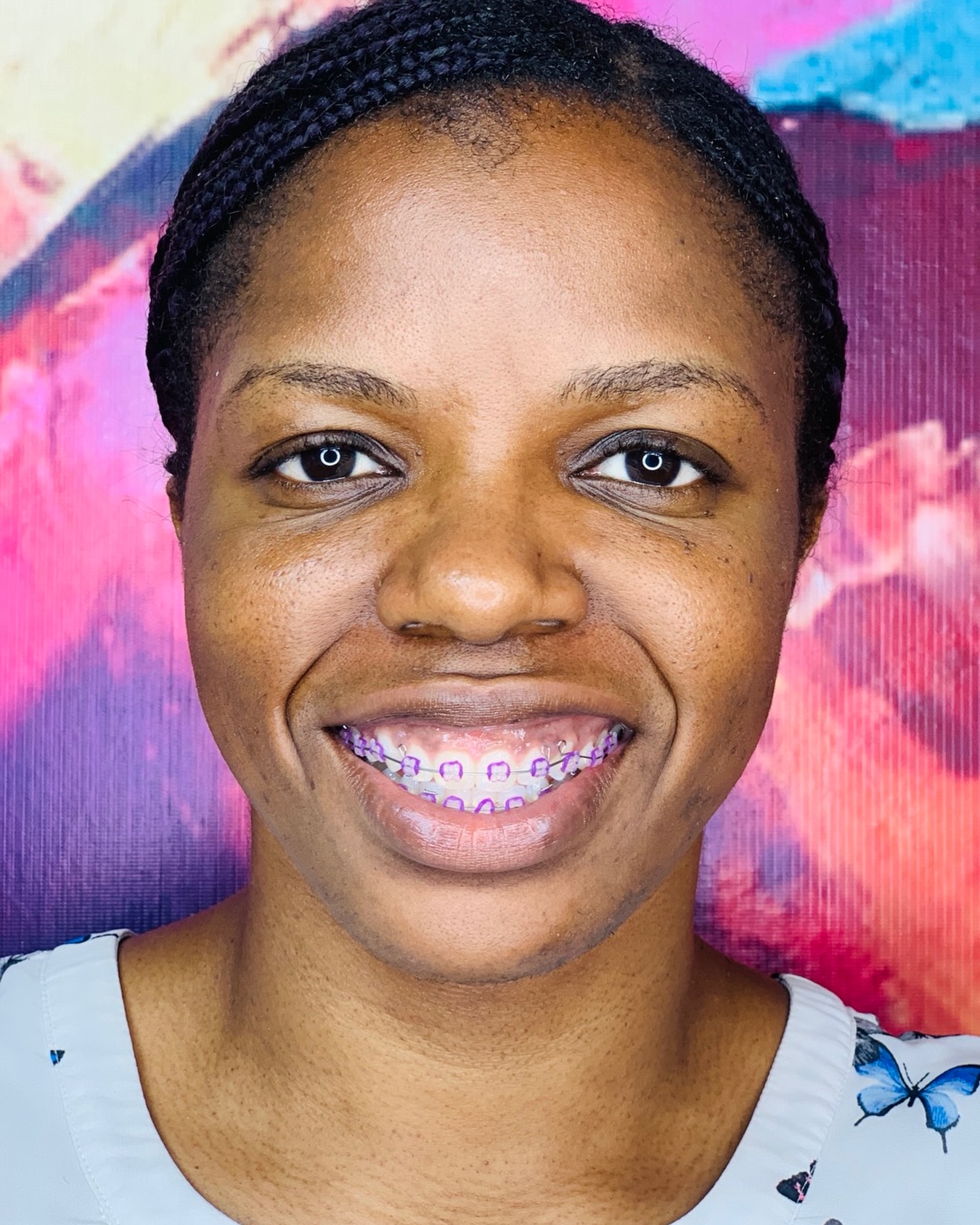
Traditional fixed braces typically use brackets attached to the teeth and an archwire that connects them. The system applies controlled forces that guide the teeth over time.
Orthodontic treatment isn't simply about making teeth look straighter. Depending on the individual case, correcting tooth alignment and bite can also support oral function and make teeth easier to clean.
At SmilePlug, the starting point is an assessment of your individual dental needs rather than assuming that the same treatment is appropriate for everyone.
When Might Orthodontic Braces Be Appropriate?
You may want to discuss orthodontic treatment with a dental professional if you have concerns about:
Crowded Teeth
When there isn't enough room for teeth to sit comfortably in their intended positions.
Crooked or Misaligned Teeth
When individual teeth appear rotated, angled or out of alignment.
Gaps Between Teeth
When there are noticeable spaces between teeth.
Bite Problems
Including concerns such as an overbite or underbite, where the upper and lower teeth do not meet as expected.
Difficulty Cleaning Certain Areas
Misaligned or crowded teeth can sometimes make brushing and flossing more difficult.
Concerns About Your Smile
Some people seek orthodontic treatment primarily because they want to improve the appearance of their smile.
These are examples of concerns that may warrant an orthodontic assessment; only a dental professional can determine whether braces are appropriate for your particular case.
How Do Orthodontic Braces Work?
Braces work by applying controlled pressure to teeth over time.
For conventional fixed braces, brackets are attached to the teeth and connected with an archwire. The orthodontic system is adjusted during treatment so that the teeth can gradually move toward their planned positions.
Assessment
Your teeth, bite and overall oral health are assessed to determine your orthodontic needs.
Treatment Planning
Your dental professional develops an individual treatment plan based on your alignment and bite.
Braces Placement
Where braces are appropriate, the brackets and wires are placed according to the treatment plan.
Progress Appointments
Your progress is monitored throughout treatment, with adjustments made as required.
Retention
After active orthodontic treatment, a retainer is commonly used to help maintain the position of the teeth.
Treatment time and the exact process vary from patient to patient. Your dental professional will explain what applies to your case.
What Types of Braces Are Available?
Orthodontic treatment is not one-size-fits-all.
Different types of braces and orthodontic appliances may be appropriate depending on the patient's alignment, bite, treatment objectives and clinical needs.
Traditional Metal Braces
A conventional fixed-brace system using brackets and wires to gradually move teeth.
Ceramic Braces
Ceramic or tooth-coloured brackets can provide a less noticeable alternative to traditional metal brackets in suitable cases.
Other Orthodontic Options
Clear aligners, retainers and other orthodontic appliances may also be considered depending on the individual case.
The appropriate option depends on your dental assessment. A consultation is the best way to understand which treatment is suitable for you.
Explore our Invisalign service.
Can Adults Get Orthodontic Braces?
Yes.
Orthodontic treatment is not limited to children and teenagers. Adults can also undergo orthodontic treatment where appropriate.
You may be considering braces because your teeth have always been misaligned, because your teeth have shifted over time, or because you want to address an orthodontic concern that was never treated earlier.
Age alone does not determine whether braces are appropriate. Your dental health, tooth and jaw alignment, and individual treatment needs all matter.
What Is It Like to Have Braces?
Getting used to braces can take some time.
After braces are fitted or adjusted, some patients experience temporary soreness or discomfort. Your dental professional can advise you on managing this during treatment.
You will also need to pay closer attention to oral hygiene because braces create additional areas where food debris and plaque can collect.
During treatment, it's important to:
- Brush your teeth carefully and regularly.
- Clean around brackets and wires.
- Follow your orthodontic team's instructions.
- Attend scheduled appointments.
- Maintain regular dental care.
- Be careful with foods that could damage the appliance.
Good oral hygiene is particularly important during orthodontic treatment because plaque accumulation around braces can increase the risk of tooth decay and gum problems.
What Can Braces Help With?
Depending on your individual case, orthodontic treatment can help:
Improve Tooth Alignment
Gradually move crooked, crowded or gapped teeth toward a planned alignment.
Address Bite Problems
Orthodontic treatment can be used to address certain problems with how the upper and lower teeth meet.
Support Oral Hygiene
Better-aligned teeth may be easier to brush and clean effectively.
Improve Chewing Function
Correcting certain alignment and bite problems may improve aspects of oral function.
Improve Smile Appearance
Straighter teeth can change the appearance of your smile.
The specific benefits you can expect depend on your individual dental condition and treatment plan.
Ready to Understand Your Options?
You don't need to decide which type of braces you need before speaking with a dental professional.
Start with an assessment and understand what treatment may be appropriate for your smile.
Orthodontic Care Built Around You
At SmilePlug, orthodontic treatment is approached as part of a wider patient experience — combining clinical assessment, personalised care and a modern dental environment.
Personalised Treatment Planning
Your treatment should reflect your individual dental needs rather than a generic template.
Modern Dental Environment
Our clinics provide a contemporary setting designed around patient comfort and professional dental care.
Qualified Dental Professionals
SmilePlug clinics are supported by qualified dental professionals and dedicated clinical staff.
Care Across Multiple Locations
SmilePlug provides dental services across Ikeja, Lekki and Abuja.
A Patient Experience Designed Around You
From your first consultation through your treatment journey, the focus remains on understanding your needs and providing appropriate care.
Your Oral Health Comes First
Orthodontic treatment requires healthy foundations.
Existing dental problems such as significant tooth decay or active gum disease may need to be addressed before orthodontic treatment begins.
That is why an assessment is important before starting treatment.
Your dental professional can evaluate your teeth and gums and determine whether orthodontic treatment is appropriate or whether other dental care should come first.
Patient guidance
Frequently Asked Questions About Orthodontic Braces
SmilePlug Dental Clinic
Your Smile Is a Work of Art.
Orthodontic treatment is a journey. The right place to begin is with an assessment of your teeth, your bite and your goals.